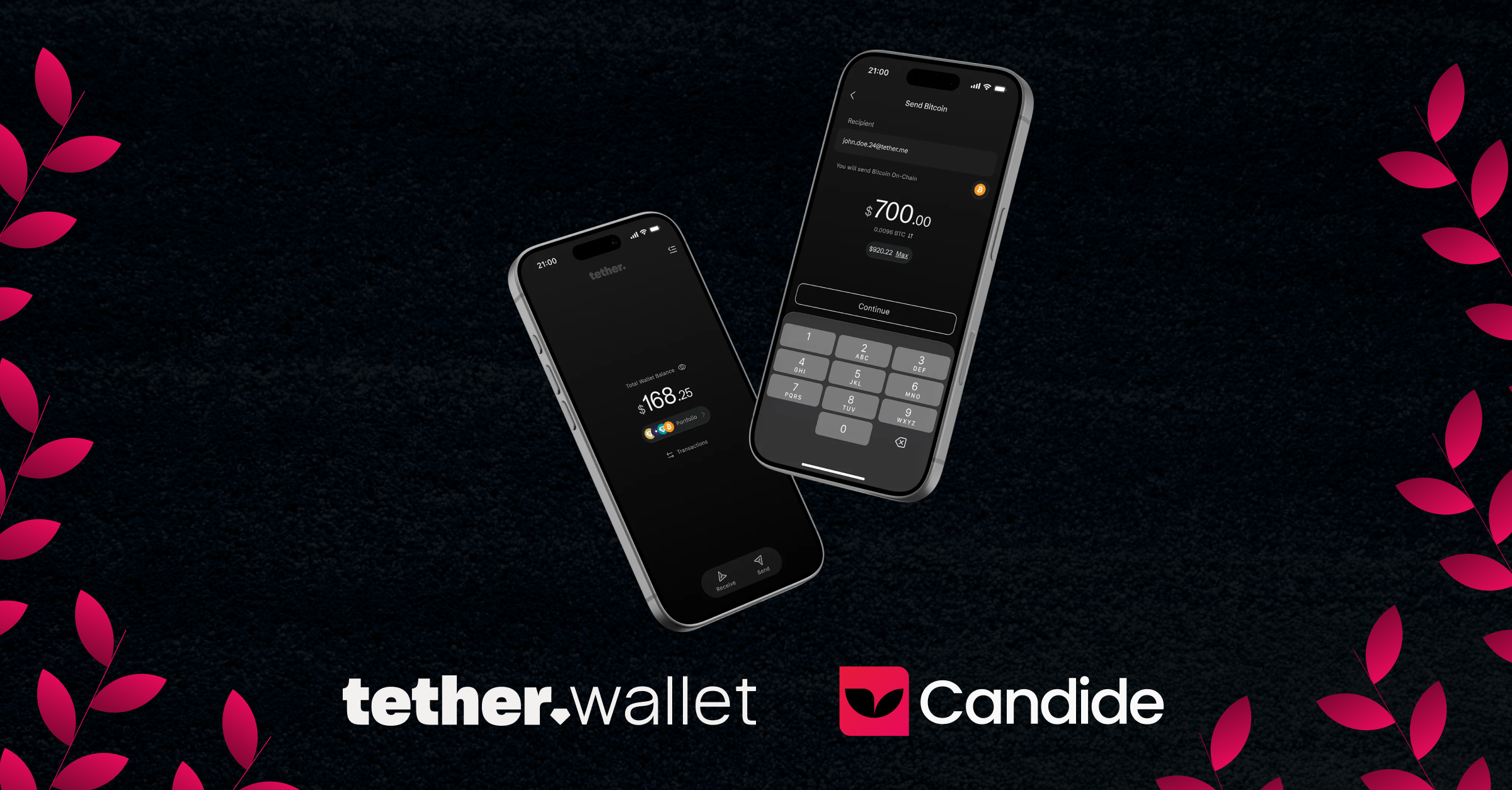

Tether’s mission has always been to build technology that advances financial freedom, resilience, and independence. As the issuer of USD₮, the world’s most widely used stablecoin, Tether has helped make digital dollars accessible to hundreds of millions of people across markets, blockchains, and use cases. That scale brings a responsibility to build infrastructure that is secure, open, and durable enough to serve users globally. For many companies, the natural response would be to own every layer of the stack. Tether has taken a different approach where it matters: supporting open standards that give builders and users more control.
That philosophy shaped the way Tether approached tether.wallet. Given Tether’s scale, it could have either built every layer of the wallet infrastructure internally or relied on a closed-provider model. Instead, Tether chose an open-standard approach that preserves flexibility, reduces dependency on any single provider, and gives the company room to adapt as the ecosystem evolves.
Candide supports that infrastructure by operating the bundler and paymaster components inside tether.wallet. Because the wallet is built on open standards, Tether is not locked into a closed system or forced into a costly migration path if its needs change. The relationship works because the infrastructure continues to perform, not because the architecture leaves Tether with no alternative.
For a company that has built one of the most important financial networks in the digital asset industry, the decision is meaningful: Tether chose to keep this layer open, composable, and aligned with the same principles of independence and resilience that define its broader technology strategy.
“Tether’s focus has always been to build technology that gives people greater freedom, independence, and resilience. With WDK and tether.wallet, that means creating self-custodial tools that are open, flexible, and not dependent on closed infrastructure or vendor lock-in. Open standards give builders and users more control, and that is exactly the kind of infrastructure we believe the future of financial freedom requires.”
Paolo Ardoino, CEO of Tether
Why
At scale, owning the infrastructure stops being an asset and becomes a liability.
Proprietary wallet infra is a single point of failure with your name on it. A managed provider that locks you in is a dependency you can’t audit and can’t escape. For a wallet meant to reach billions of people across multiple chains, neither is safe. The resilient choice is the boring one: an open standard that anyone can run, anyone can verify, and no single party owns. If your provider degrades, you move. If the standard is good, you don’t have to.
ERC-4337 is that standard. Candide’s bundler is one of many on the network that processes transactions. Any compliant bundler can serve any compliant transaction. Tether can switch gas paymaster providers without migrating their stack. Builders using Tether’s WDK inherit the same freedom. The infrastructure is composable because it is a standard, and standards do not belong to anyone.
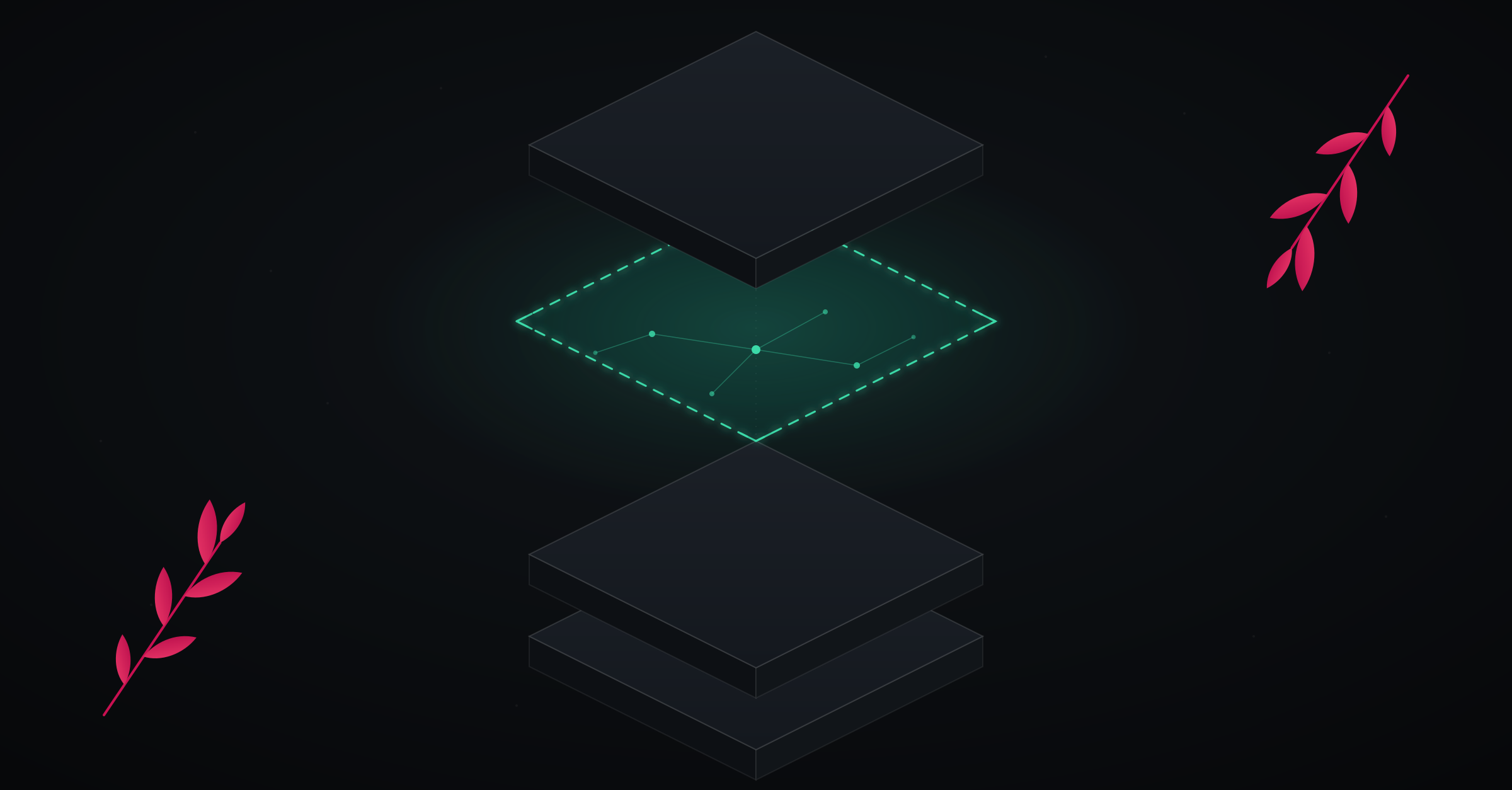
This freedom comes built into the standard.
What This Looks Like in Production
WDK is Tether’s open-source toolkit for self-custodial wallets, built on Safe smart accounts and ERC-4337. tether.wallet is Tether’s own implementation. Keys on-device. No custody at the wallet layer.
The account contracts come from Safe, the most audited and battle-tested smart accounts in the ecosystem, securing billions across the industry. Candide’s AbstractionKit provides those same contracts, so tether.wallet stands on a foundation already proven at scale rather than one written from scratch. The resilient choice, again: take the open thing that has survived contact with the real world, and build on it.
“When Tether built WDK and their own mobile wallet on the Safe smart account, they chose the same principle Safe was built on: the account layer should ultimately empower people to own assets themselves. Billions already run on the Safe standard because it is open, audited, and battle tested. A wallet meant to reach billions of people should stand on exactly that kind of foundation. We look forward to Tether making self-custody accessible for people.”
Richard Meissner, Co-founder of Safe
The value of that working relationship shows up in the user experience. Candide’s infrastructure helps make it possible for tether.wallet users to pay transaction fees in the assets they already hold, including USD₮, XAU₮, or USA₮, across supported chains. That means users do not need to first acquire a separate native token just to move value.
For someone holding tokenized gold, the experience becomes much simpler: they can send XAU₮ and pay the fee in XAU₮. The asset can help pay for its own movement. That kind of flexibility matters because wallet infrastructure should adapt to how people actually use digital assets, rather than forcing them through unnecessary steps. Open standards make that possible by giving builders room to design around user needs rather than the limits of a closed platform.
The strongest validation in infrastructure is continued use while alternatives stay open. Tether’s architecture keeps every option available. Candide’s job is to keep earning its place in production.